Open to new opportunitiesI create digitial products — translating complex problems into intuitive solutions.
Services
Definition, vision, scope and positioning
Understanding how real users use a product
The interface to allow users to interact with a product
Scalable foundations to keep a product consistent
Building what's been designed
Philosophy
When your whole team develops a shared understanding of your users, that knowledge shapes the product at every level. Broader exposure to real users leads to better decisions and ultimately, a product users love.
Invest time in understanding and articulating your users' problems clearly. When teams are handed solutions rather than problems, it stifles creativity and breeds disengagement. Empowered people do better work, so define the problem well.
The best idea rarely comes from a single person. Waiting for it to emerge that way is both slow and biased toward one perspective. Structured ideation techniques make it easy to generate a broad range of ideas quickly, drawing on the full diversity of your team.
The goal of a prototype is learning, not polish. Create the simplest version that lets you test your core idea, then put it in front of real, representative users. You're gathering feedback on whether the idea works, not whether the execution is finished.
A single pass through the design process is just the beginning. Every iteration surfaces new insights, from users, from the team, from failure. Over time the process becomes faster and more instinctive. True agility means building a team that can absorb new information and respond without hesitation.
Princples
No guessing. Start with what users actually need, resolve the unknowns early, and let outcomes, not opinions drive every design decision.
Structure tells users where they are. Feedback tells them what happened. And fewer choices means faster, more confident decisions. All three together make an interface feel effortless.
Be consistent, not uniform. Lean on patterns that already work, and use language users already know. Familiarity reduces friction, and friction is the enemy of good UX.
Responsive means more than resize. It means working well everywhere, any screen, any device, any context. Use the technology available to you to make that happen.
You can't bolt on delight. It has to be designed in from the start. First impressions matter more than most teams admit, take the time to make them count.
Industries
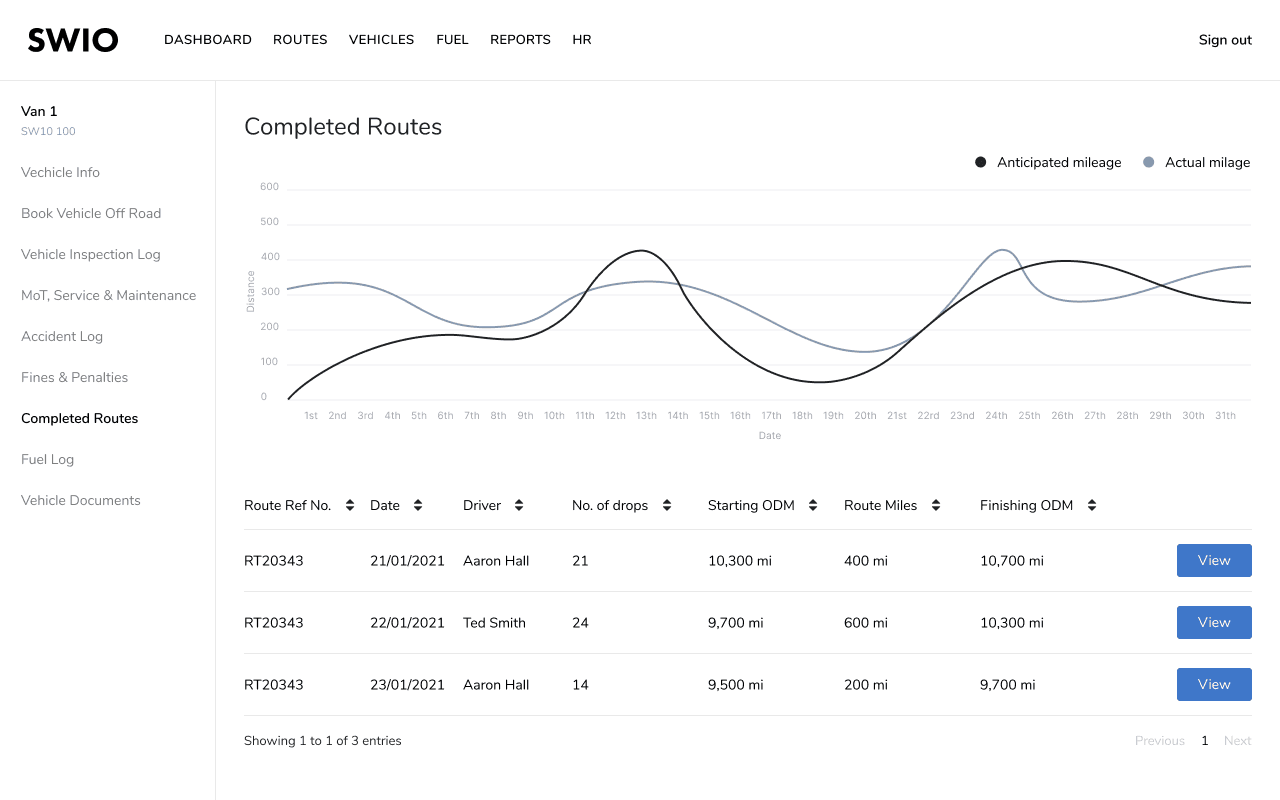
Side projects
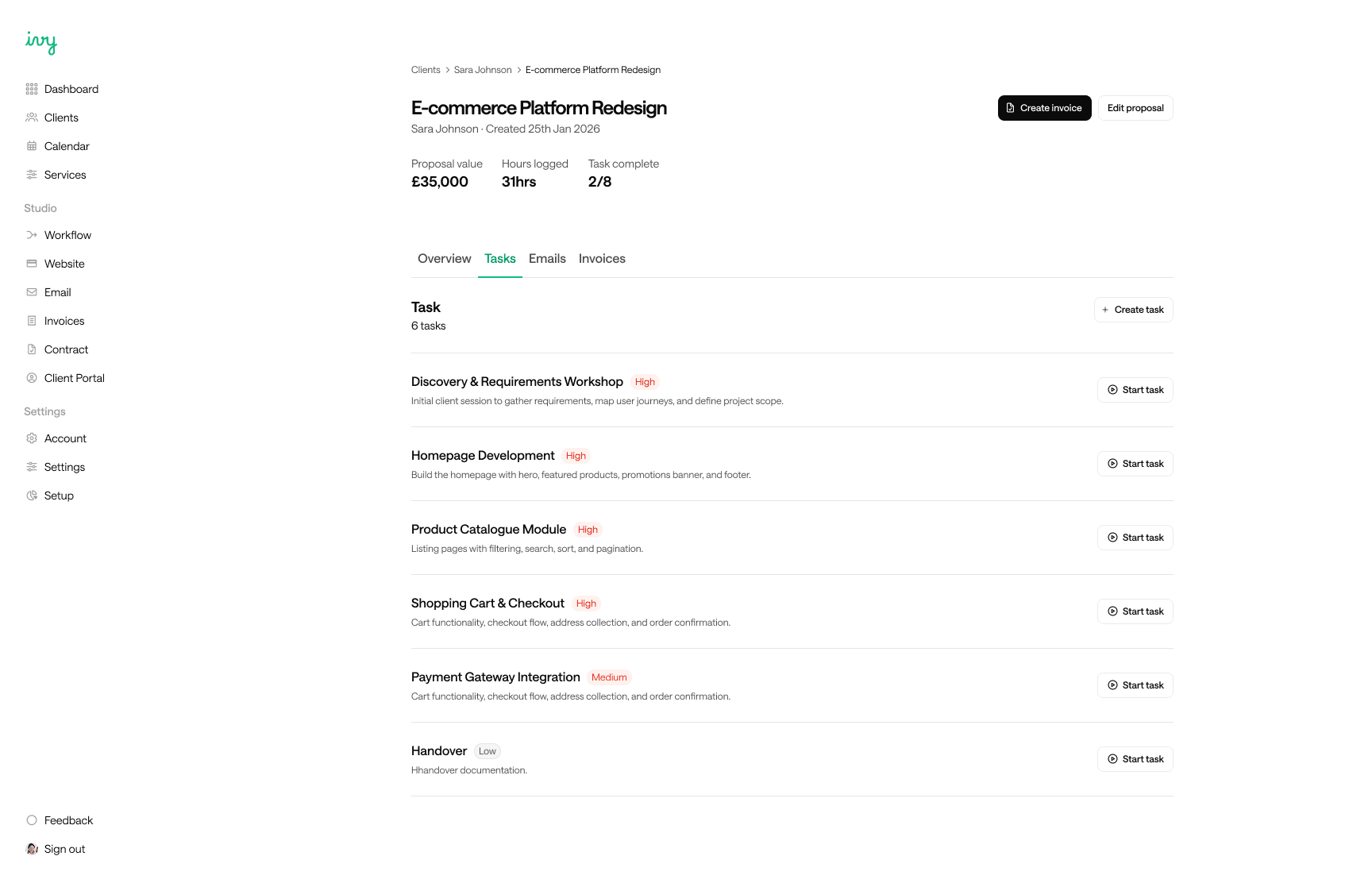
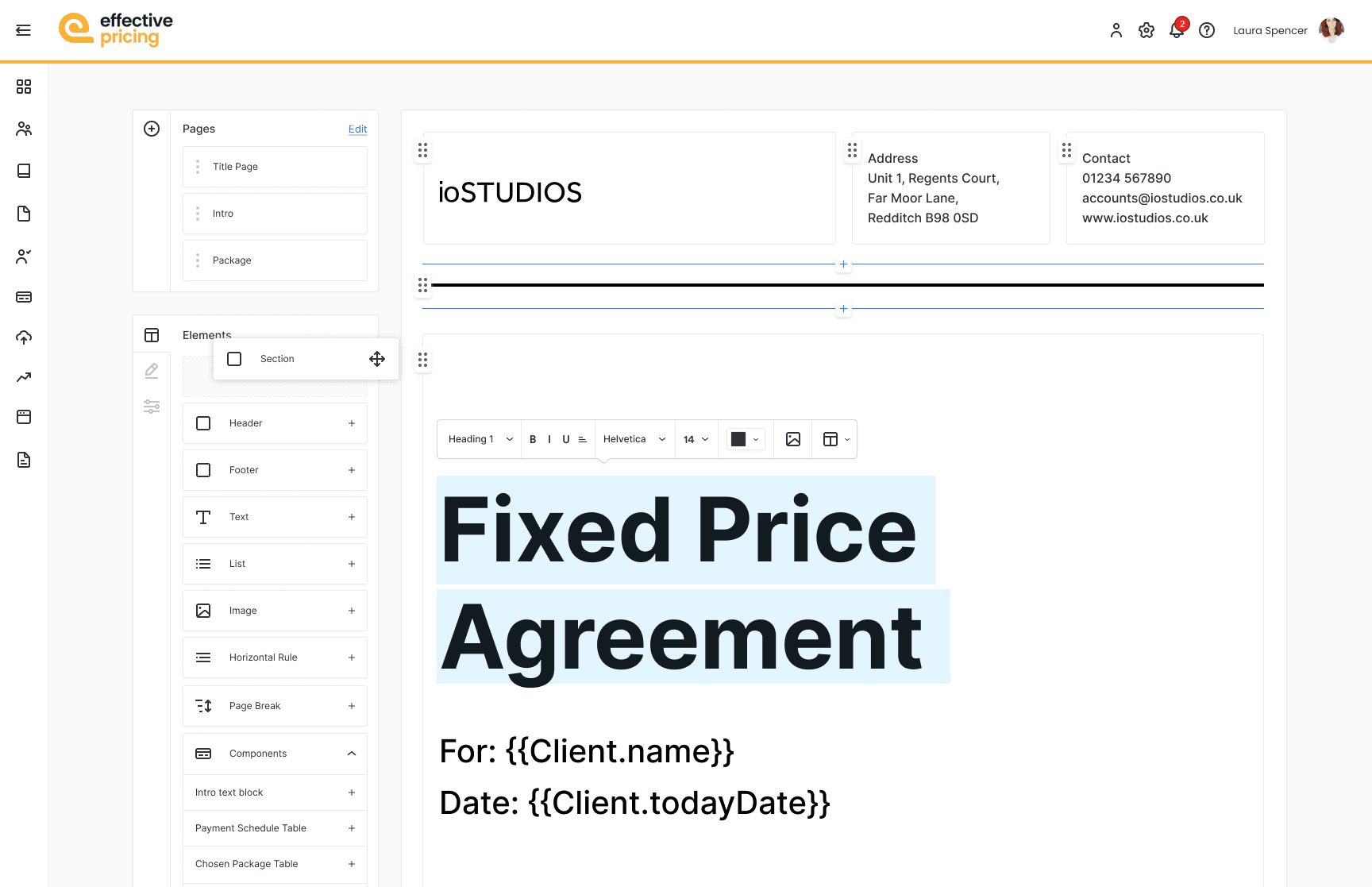
Less Admin. More Business.
Your pocket psychologist.
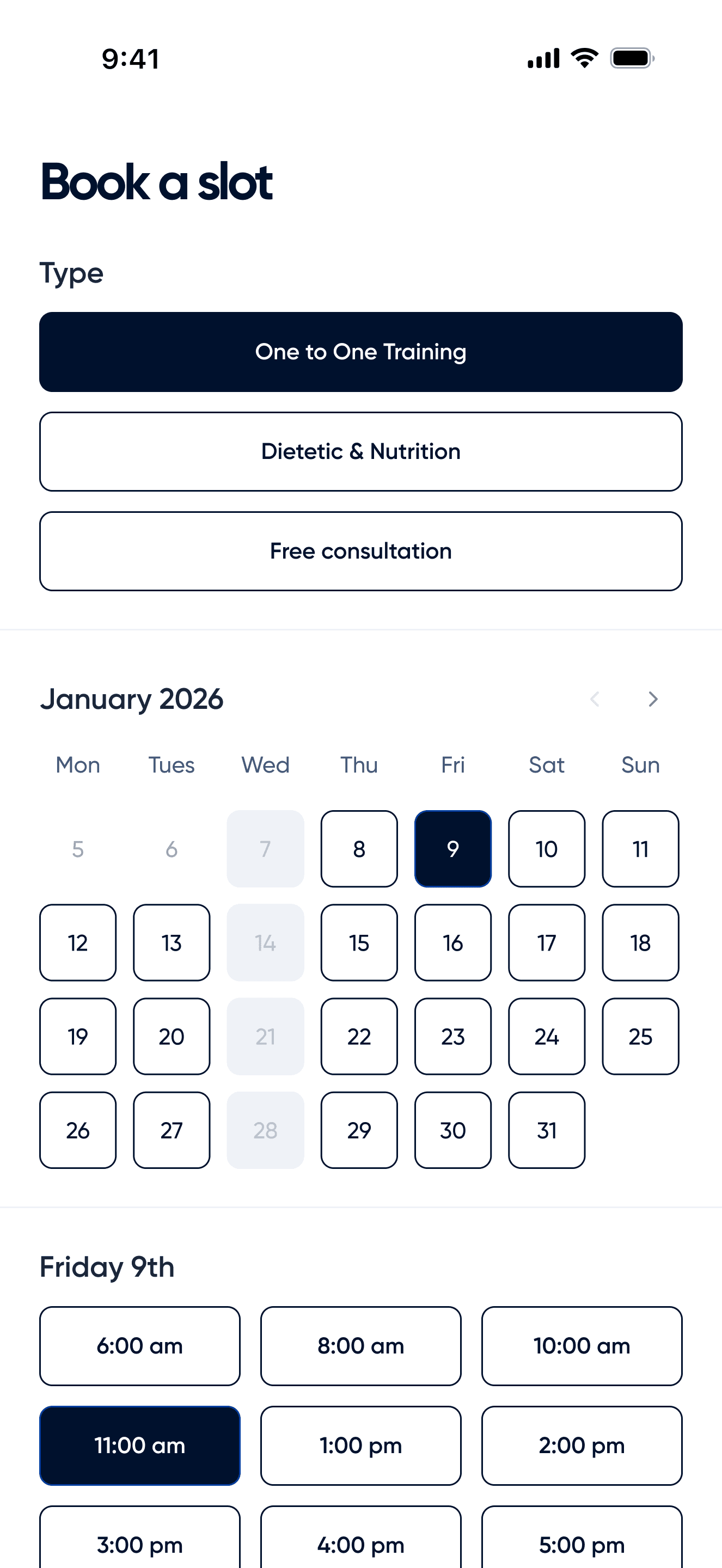
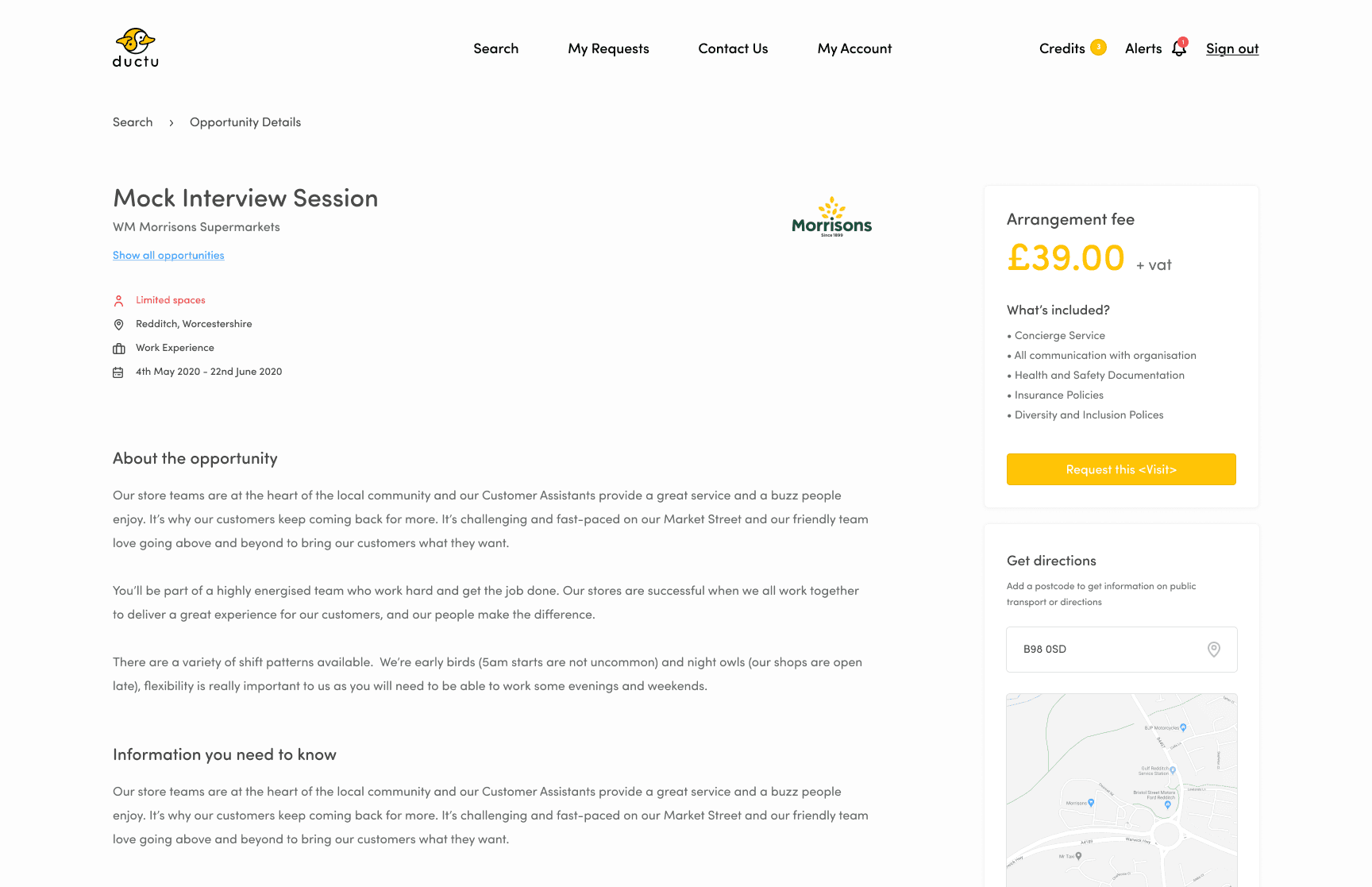
A modular booking platform.
A digital health passport.
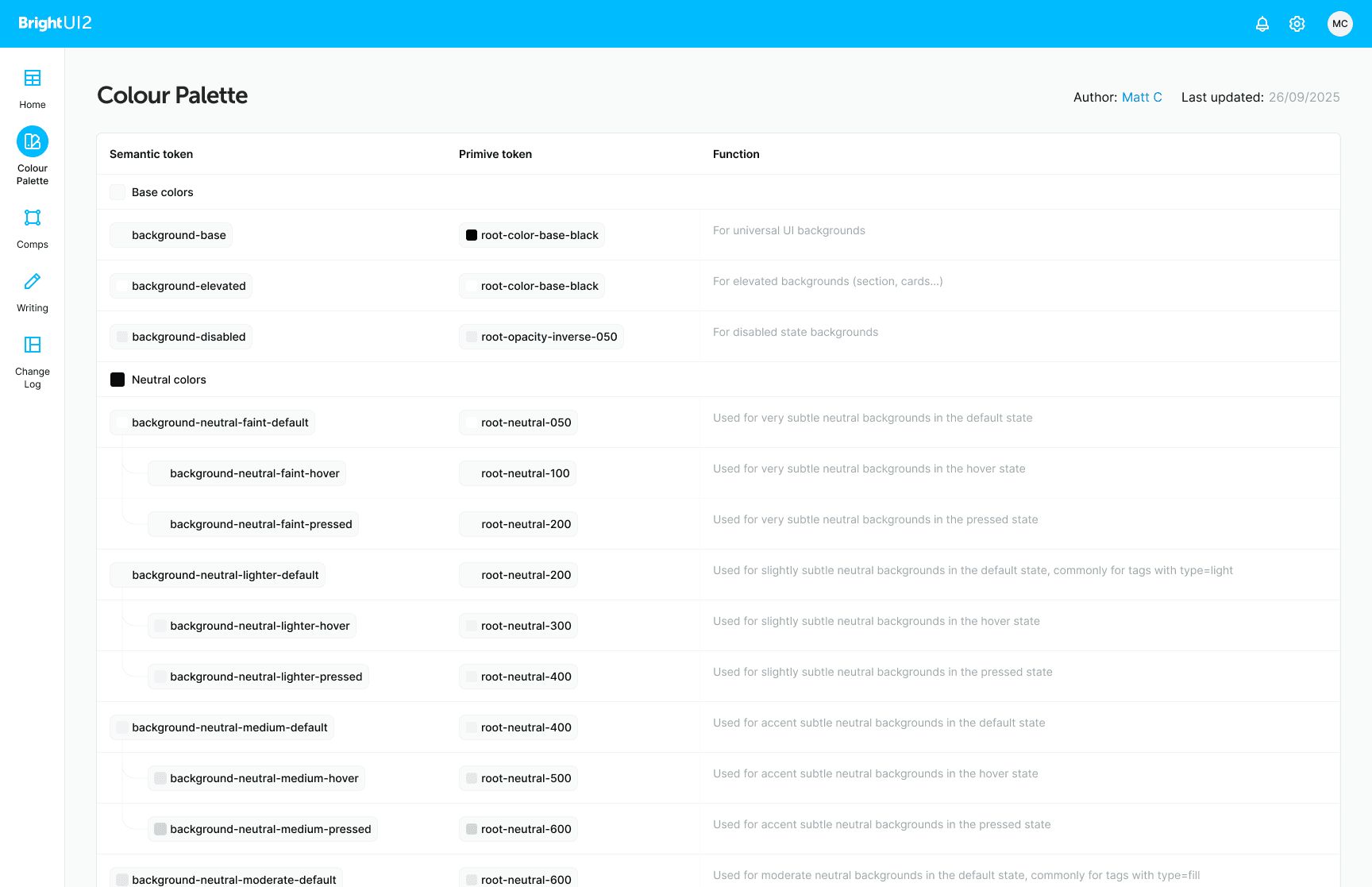
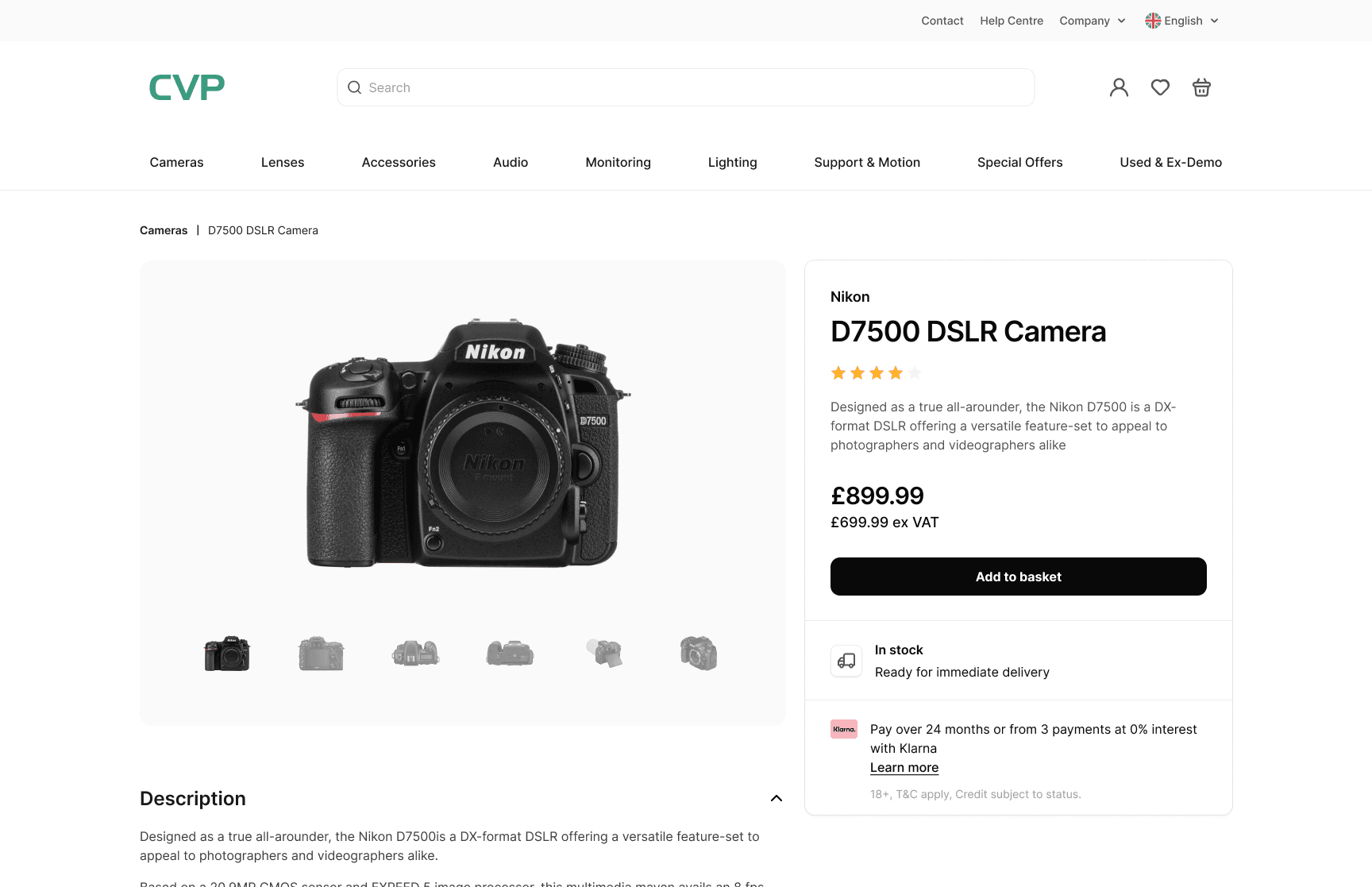
My design system
Case studies
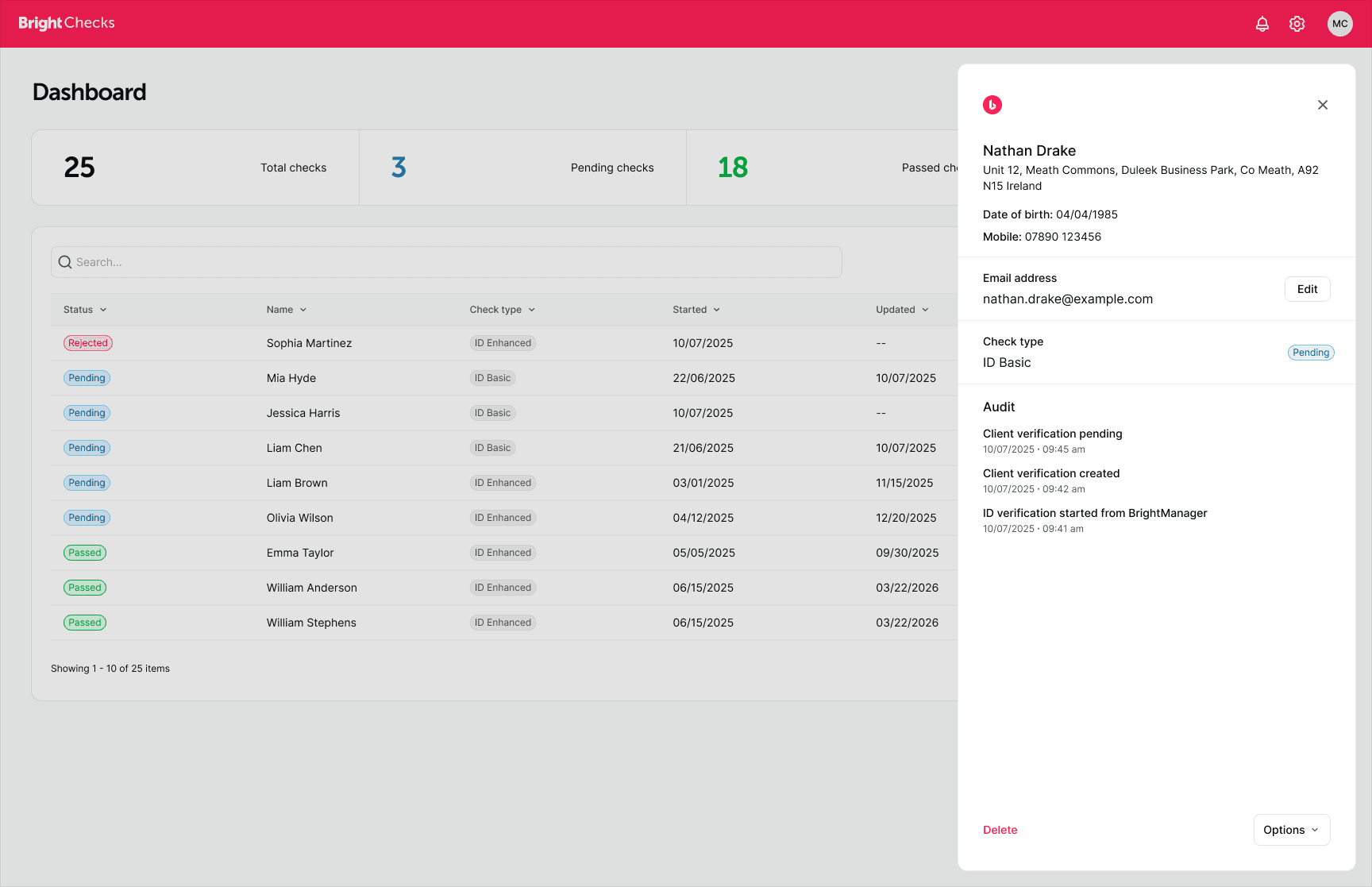
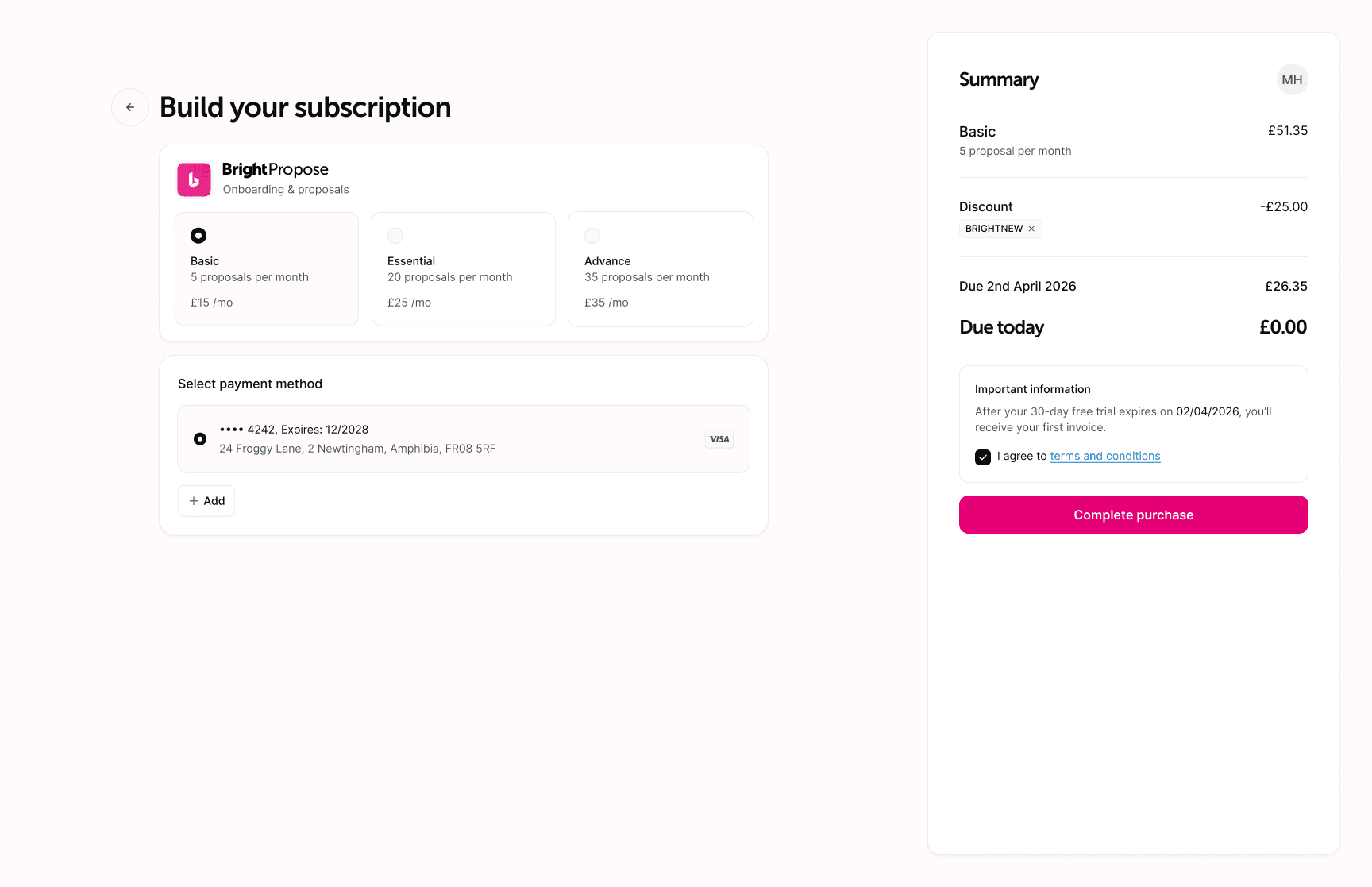
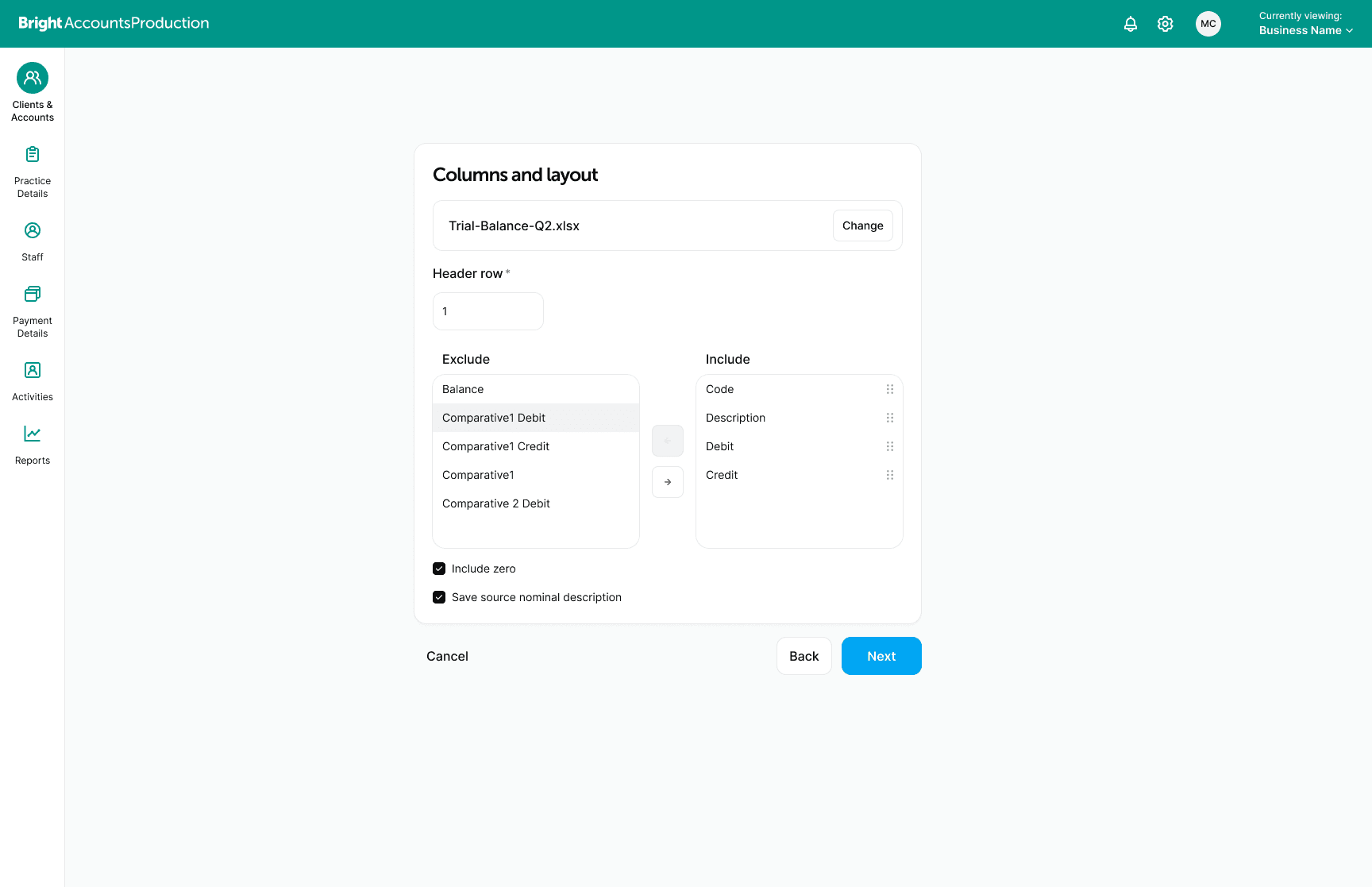
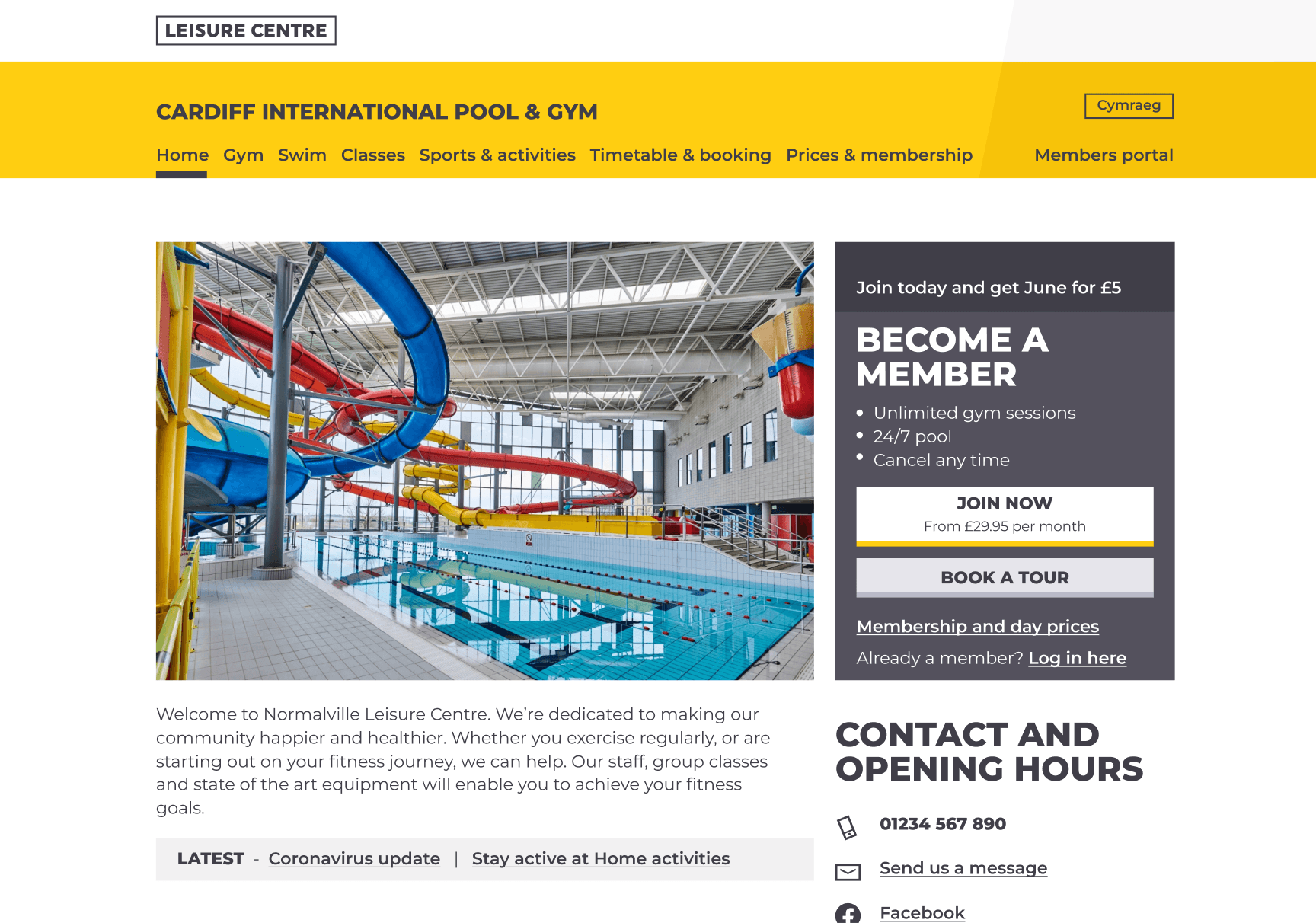
A selection of recent projects, focusing the problems, my process and outcome.